


Vietnamese businesses do not seem to pay much attention to confectionery products for export to Korea. While Korea's import turnover of confectionery products amounts to nearly 1 billion USD per year...
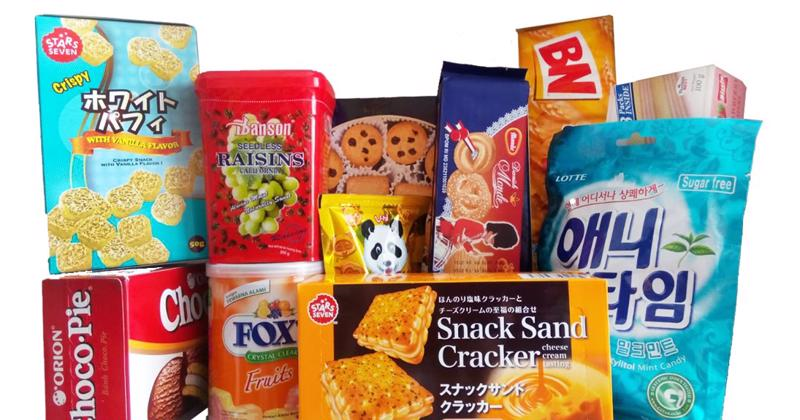
Ông Phạm Khắc Tuyên, Bí thư thứ nhất, Trưởng Văn phòng Thương vụ, Đại sứ quán Việt Nam tại Hàn Quốc, cho biết quy mô thị trường bánh kẹo Hàn Quốc năm 2020 đạt khoảng 2,5 tỷ USD.
Trong đó trung bình hằng năm, Hàn Quốc nhập khẩu 550 triệu USD. Cụ thể, năm 2020, Hàn Quốc nhập khẩu bánh đạt 347 triệu USD và kẹo 222 triệu USD.
Bánh kẹo Việt Nam đang ở đâu trên thị trường Hàn Quốc? Theo ông Tuyên, trong những năm gần đây, sản phẩm bánh kẹo của Việt Nam đang từng bước khẳng định thương hiệu và chất lượng tại thị trường Hàn Quốc song nhìn chung thị phần vẫn còn kiêm tốn: kẹo chiếm 5,1%, bánh chiếm 3,4%.
For hard candy and soft candy, Vietnam exports about 11.3 million USD to Korea, accounting for 1% of the total import turnover of this market. Vietnamese biscuits ranked 14th, accounting for 2.5% of the market share here.
Vietnamese baked goods also reached nearly 15 million USD, accounting for 5.8% in Korea. "Thus, the total amount of Vietnamese candy exported to Korea in general accounts for less than 6% of the market share in Korea's demand of nearly 1 billion USD for candy imports," Mr. Tuyen emphasized.
Vietnam has many advantages when exporting confectionery to the Korean market such as tax is almost 0%, so the competitive position of Vietnamese confectionery is quite high in this country.
In addition, when importing confectionery into Korea, they are subject to a number of taxes such as VAT, or special tax rates of some localities (usually when importing, depending on each locality, Korea has different tax rates). determined by that locality).
These are advantages for Vietnam's confectionery exports to this market. However, Mr. Tuyen noted, when exporting confectionery to Korea, businesses need to carefully search for markets, distribution channels, partners, competitors, customer tastes...
Currently, the largest confectionery consumption channel in Korea is the system of discount stores and convenience supermarket chains. Therefore, when entering the market, businesses need to research consumption channels to succeed.
Koreans often choose confectionery products that are delicious and healthy, with attractive flavors, these are the factors that account for over 80% of the decision of Korean consumers to buy the product or not.
Another thing, when exporting confectionery to Korea, businesses need to learn about import procedures such as Korea's Food Safety and Hygiene Law, Korea's Ministry of Food Safety and Pharmaceuticals...
Or the regulations on labeling in Korea. Mr. Tuyen informed that this country does not have mandatory regulations on certification labeling for confectionery products, but Korea has many quality certification marks related to food that can be useful when distributing products. to consumers.
Some main labels such as: HACCP are jointly certified by the Ministry of Food and Drug Safety and the Ministry of Agriculture, Food and Rural Affairs of Korea. GH-Good of Health - a health certification label issued by the Institute for Health Development, a government organization for quality products in the fields of food, cosmetics, pharmaceuticals, medical equipment...
The ISO 22000 certification mark is a certification mark related to the food safety management system, covering the entire production business process from purchasing raw materials to consumption with the purpose of improving the mechanism. Managing hygiene and safety and building trust from consumers....
In addition, according to Mr. Tuyen, Vietnamese businesses exporting confectionery to Korea do not pay much attention to brands in this market. Because our confectionery products may be similar or have many characteristics similar to products from the host country.
Therefore, in addition to paying attention to the market, you need to pay attention to intellectual property protection for your products. Exporting enterprises need to register for trademark protection in this market to avoid disputes.


